
- Vuokra-autolla pääsee näkemään ja kokemaan enemmän.
- Lomaa ei tarvitse aikatauluttaa, kun pääsee liikkumaan silloin, kun itselle parhaiten sopii.
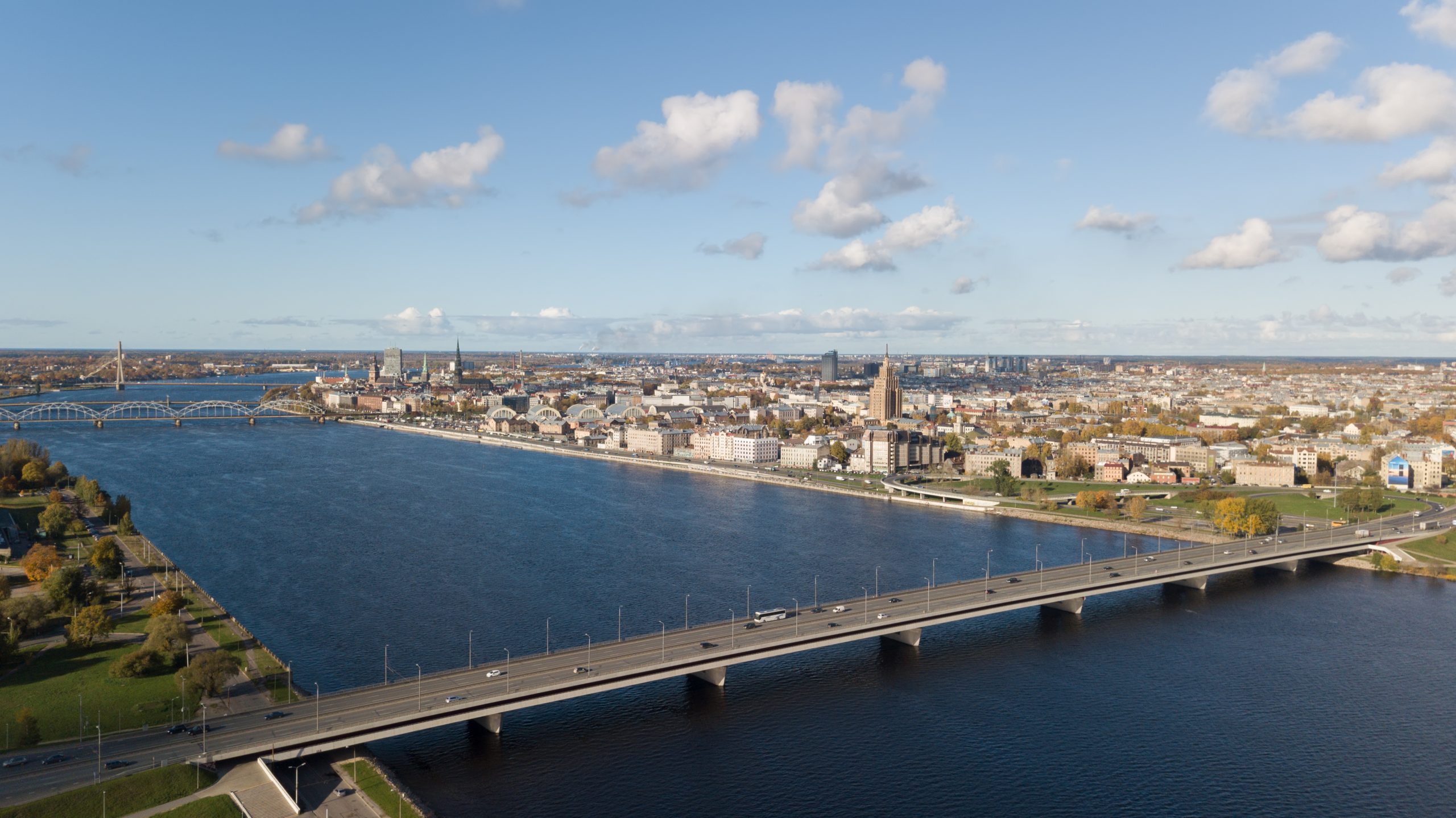
Latvian pääkaupunki Riika on upea satamakaupunki, joka sijaitsee vain lyhyen lentomatkan päässä Helsingistä. Kaupunkiin lennetäänkin useita kertoja vuorokaudessa, joten sinne voi suunnata helposti vaikka vain viikonloppuvierailulle. Tämän noin 700 000 asukkaan kaupungin halkoo Väinäjoki. Nähtävyyksiä riittää joen molemmin puolin, joten Riiassa on tärkeää päästä liikkumaan vapaasti. Näin kaupungista saa paljon irti, vaikka kyseessä olisi vain lyhyt vierailu. Vuokra-auton avulla jo muutaman päivän lomalla ehtii näkemään paljon.
Väinäjoen sillan ylittäminen on jo itsessään huikea kokemus. Näkymät sillalta ovat upeat. Niitä voi pysähtyä ihastelemaan silloin, kun itselle parhaiten sopii. Vuokra-auton saa helposti parkkiin esimerkiksi Kipsalan saarelle. Sieltä käsin voi tutustua vanhaankaupunkiin, joka on Unescon maailmanperintökohde. Myös Riian keskustan läpi ajaminen on yksi niistä kokemuksista, jotka tässä satamakaupungissa kannattaa hankkia. Keskustan alue suorastaan huokuu historiaa, sillä onhan Riika nähnyt monet vaiheet Neuvostoliiton miehityksestä aina itsenäistymiseen saakka.
Mistä auton voi vuokrata?
Monet yritykset vuokraavat autoja eri puolilla Riikaa. Helpointa on ottaa auto alle heti lentoasemalta, sillä näin loman pääsee aloittamaan välittömästi oman mielensä mukaan. Jo matkalla hotellille voi pysähtyä tutkimaan paikkoja. Lentoasema on kuitenkin samalla myös kaikista suosituin toimipiste, josta auton voi vuokrata. Näin ollen sieltä vuokratessa ei välttämättä saa aina sellaista autoa kuin haluaisi. On siis syytä tehdä vertailua ja selvittää eri vaihtoehtoja ennen kuin tekee päätöksen.
 Riiassa toimii monia vuokraajia. Kaikista suosituimpia niistä ovat suurimmat ketjut, kuten Sixt, Rent A Car, Hertz,Halpa vuokraauto.fi Thrifty, Avis ja Budget. Näiden joukosta jokainen löytää taatusti itselleen parhaimman vuokra-auton ja vuokraajan. Vuokra-autojen hintoja voi vertailla helposti netissä. Pienelläkin vertailulla voi säästää parhaimmillaan jopa satoja euroja, joten siihen kannattaa käyttää aikaa. Myös toimipaikan valinta vaikuttaa auton hintaan, joten siihenkin kannattaa kiinnittää huomiota ennen päätöksen tekemistä.
Kenelle vuokraaminen sopii?
Auton vuokraaminen sopii kaikille matkustajille. Joillekin vuokraajille riittää, että auton vuokraava henkilö on täyttänyt 18 vuotta. Toiset taas vaativat, että vuokraajalla on ikää jopa 26 vuotta. Tämä seikka tulee selvittää ennen auton vuokraamista. Jos vuokra-autolla on kaksi kuljettajaa, tulee molempien täyttää nämä ehdot. Riiassa autoileminen ei vaadi muuta kuin suomalaisen ajokortin. Myös liikennesäännöt ovat samanlaiset kuin Suomessa, joten ajaminen ei siltäkään osin vaadi ylimääräistä opettelua.
- Auton vuokraajan täytyy olla vähintään täysi-ikäinen.
- Suomalaisen ajokortin on oltava voimassa.
Lisävarusteet
Vuokra-autoihin on saatavilla monia erilaisia lisävarusteita ja -palveluita. Jos seurueeseen kuuluu pieniä lapsia, halutaan silloin monesti vuokrata myös lastenistuin tai istuinkoroke. Jos lomakohde taas on uusi, kannattaa auton vuokrauksen yhteydessä vuokrata navigaattori. Sen avulla on helppo löytää perille paikkaan kuin paikkaan. Kaikki lisävarusteet on hyvä vuokrata etukäteen, sillä niitä on yleensä saatavilla vain rajoitettu määrä. Esimerkiksi Sixtin nettisivuilta voi vuokrata samalla kertaa niin itse auton kuin kaikki lisätarvikkeetkin.
Vakuutukset
Vuokra-autolle on aina otettava perusvakuutus. Se kattaa vuokraajan itsensä aiheuttamat vahingot kaikissa kolaritilanteissa. Sen lisäksi on kuitenkin olemassa monia muitakin vakuutuksia, joita auton vuokraava voi ottaa. Erityisesti tuntemattomassa maassa autoillessa ylimääräiset vakuutukset voivat tuoda lisäturvaa. Jos jotain odottamatonta tapahtuu, vuokraaja ei joudu itse kustantamaan korvauksia omasta lompakostaan. Lisävakuutukset tuovat siis helpotusta, mutta niistäkään ei silti kannata maksaa liikaa. Vakuutusten hintoja kannattaa vertailla ja ottaa vain tarpeelliset.
Päiväretkiä Riiasta käsin
 Latvia on kohtalaisen pieni valtio, joten Riiasta käsin voi tehdä monia mielenkiintoisia päiväretkiä. Esimerkiksi vajaan parin tunnin ajomatkan päässä sijaitseva Jurmala on suosittu kohde paikallisten keskuudessa. Jurmala tunnetaan useiden kilometrien pituisista hienohiekkaisista rannoistaan. Jurmalassa on mukava viettää aurinkoista päivää. Vuokraaja voi myös lähteä tutustumaan Latvian naapurimaihin päiväretken muodossa. Niin Viro kuin Liettuakin ovat kohtalaisen lähellä, joten jos Riian matka kestää hieman kauemmin, on matkalaiselle aikaa tehdä muutakin.
Vierailukohteita
Riika tarjoaa monia mielenkiintoisia vierailukohteita. Vanhakaupunki on upea ja näkemisen arvoinen kokonaisuus, josta löytyy ravintoloita, vanhoja rakennuksia, historiaa sekä ostosmahdollisuuksia. Kaupungista löytyy myös runsaasti erilaisia puistoja, joissa voi viettää vaikkapa piknikiä aurinkoisena päivänä. Kauempana kaupungin laitamilla sijaitseviin puistoihin on helppo ajaa vuokra-autolla. Vuokra-auto tarjoaa mahdollisuuden nähdä muutakin. Joskus on mukava vain ajaa ilman määränpäätä ja nauttia kauniista maisemista, joita niin Riikan lähettyvillä kuin muuallakin Latviassa riittää.